
Contact Us
How Peer Tutoring Reading Strategy Enhances Small Group Learning

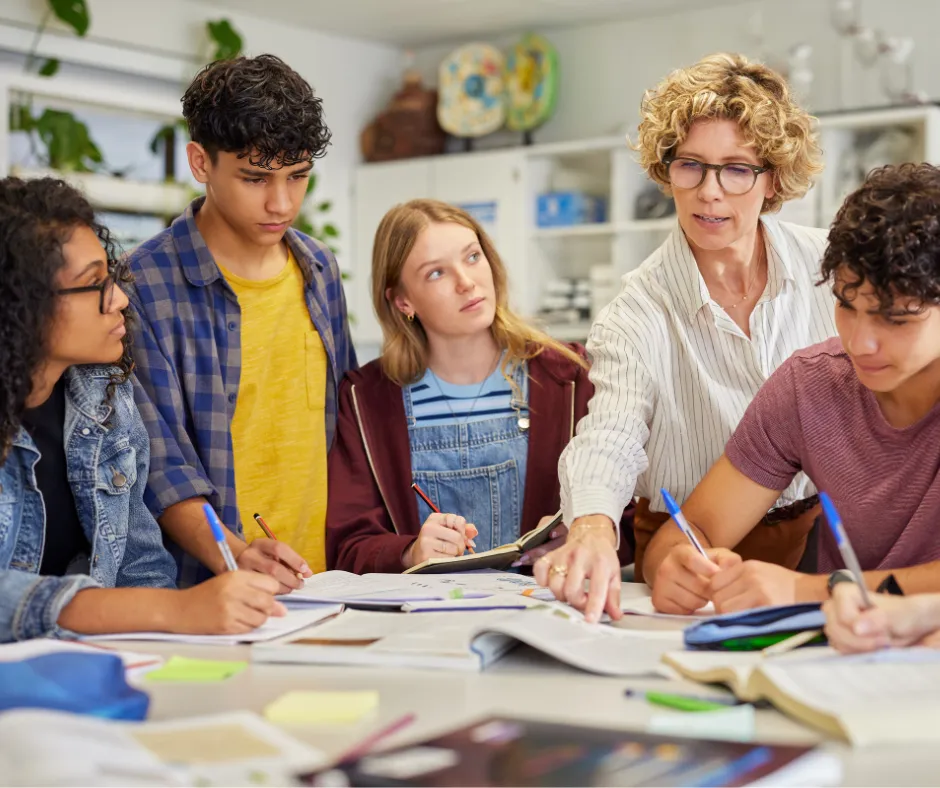
Think small group tutoring can't meet your child's needs? Think again! Small group tutoring is more than just an affordable alternative to one-on-one sessions; it’s a powerful approach that allows students to receive personalized attention, benefit from peer interactions, and grow in a supportive learning environment. One key method I use is the peer tutoring reading strategy, which transforms group learning into a collaborative and confidence-boosting experience. Let’s explore how small group tutoring works and why it might be the perfect fit for your child.
Personalized Attention in a Group Setting
One common misconception is that small group tutoring sacrifices personalized attention. In my
sessions, I carefully design small group settings to ensure that each student’s needs are met. This
starts with data obtained from reading and writing assessments, which helps me identify the unique
strengths and areas for improvement for each child. With this information in hand, I create personalized
learning plans that cater to individual needs while also managing time efficiently.

To keep students engaged and support different learning styles, I use a variety of teaching methods.
These include whole group activities, individual work, choral readings, and multi-sensory activities like
dramatizing stories. By incorporating these diverse approaches, I can address the needs of each
student, ensuring they thrive in their preferred learning style while also experiencing and benefiting from
other styles.
Peer Learning Leads to Big Breakthroughs
Small group tutoring offers something special that one-on-one sessions can’t: the power of peer
learning. For example, one of my students, who comes from an immigrant family and speaks his native
language at home, was initially very shy and hesitant to speak English. When he first started tutoring
with me, he rarely spoke up and struggled with reading and writing in English.

Through explicit reading instruction and interactions with other students during our small group
sessions, he gradually became more comfortable. The supportive environment of the group, where he
could observe and learn from his peers, helped him gain confidence. Over time, his reading level
increased by two years, and he even began learning how to write complete sentences. This progress
was not just a result of the lessons but also the encouragement and example set by his peers.
Techniques to Support All Learning Styles
In my small group tutoring, it’s important to recognize that every child learns differently. To ensure that
all students have the opportunity to thrive, I use a multitude of techniques. This allows students to
engage with the material in the way that works best for them while also exposing them to other learning
styles that can broaden their understanding.

For instance, visual learners benefit from diagrams, charts, and videos, while auditory learners engage
more with discussions, storytelling, and listening activities. Kinesthetic learners, who learn best through
hands-on activities, are given opportunities to interact with the material through experiments, role-
playing, and other tactile experiences.
By mixing these techniques, I create a rich, dynamic learning environment where all students can
succeed. They are encouraged to explore new ways of learning, which not only helps them in the
subject at hand but also builds their confidence and adaptability for future challenges.

Small group tutoring is more personal than many people think. It offers the best of both worlds:
personalized attention tailored to each child’s needs and the benefits of peer interaction and diverse
learning experiences. By incorporating tools like the peer tutoring reading strategy, I create an
engaging, supportive, and effective learning environment where students grow academically and
personally. My small group sessions ensure every child gets the most out of their educational journey.


